Returning to college isn’t always a straight line. For Brandon Sweitzer, it took discipline, resilience, and a clear goal to get there. From learning structure in the Navy to rebuilding confidence through entrepreneurship, leadership, and service, his journey to Coastline College shows how the right support system and flexibility can make all the difference. In this student feature, Brandon shares what brought him back to school, how community shaped his experience, and why he’s setting his sights on transferring to CSU Fullerton to pursue entrepreneurship with purpose.
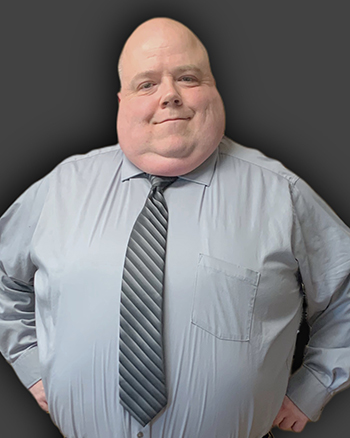
Can you share a little about your background and what led you to Coastline College?
High school was mostly easy for me, and that actually hid a weakness I didn’t understand yet: I hadn’t learned how to study. So when I went to college the first time, I was unprepared for the independence, the pacing, and the pressure to build my own routines. After two semesters, it was clear I needed structure and accountability, something that would shape my habits, not just my intentions. That’s why I joined the Navy. It taught me how to follow through, how to learn consistently, and how to stay steady under pressure.
That discipline carried me into management work and eventually into opening my own store. I found entrepreneurship incredibly rewarding; building systems, learning business the hard way, and creating an environment I was proud of. Even though health issues forced me to shutter the store and life moved me into caregiving, the experience didn’t end my interest; it sharpened it. Coastline is where I came back to take what I loved about entrepreneurship and level it up with education, so the next venture I build is stronger than the last.
Check out Business Programs at Coastline
What drew you to Coastline specifically (online flexibility, programs, support, location, etc.)?
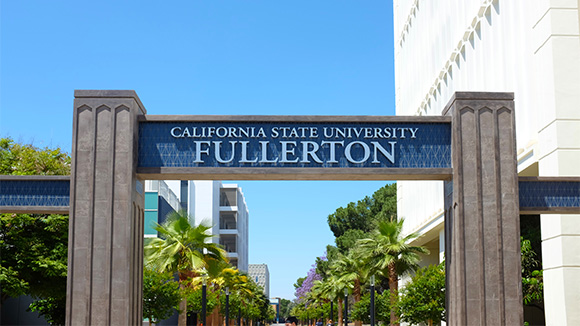
I chose Coastline because I had a clear end goal in mind: CSU Fullerton’s entrepreneurship program. Coastline felt like the smartest stepping stone to get there because the articulation agreement makes the transfer path straightforward, and I wanted my classes to count cleanly toward that next chapter instead of guessing and hoping everything would line up.
At the same time, I was balancing caregiving duties for my grandfather when I started school, so Coastline’s online environment wasn’t just convenient; it made returning possible. I could be present for my family and still stay consistent as a student. And once I got going, Coastline did more than fit my schedule; it helped me move forward. The support, the structure, and the wins along the way steadily rebuilt my confidence and made me realize I could thrive academically.
Why did you choose Business Administration and Management—what clicked for you?
Business Administration made sense to me because it’s practical. I’ve been in roles where you have to make things happen—where problems show up, whether you’re ready or not, and you learn quickly that organization and decision-making matter. Business helps me turn that real-life experience into actual tools: understanding how to plan, budget, communicate, and build systems that work.
It’s also the clearest path to what I’m working toward: CSU Fullerton’s entrepreneurship program. Business Administration gives me the groundwork so I can step into that program prepared and ready to build something bigger; so entrepreneurship becomes a plan, not just an idea. And adding Management lets me formalize what I’ve learned on the job. I’ve gained a lot through experience, but I want the academic framework behind it so I can lead with intention and build at a higher level.
Which class surprised you the most (in a good way), and why?
The class that surprised me most was Interpersonal Communication because it didn’t just teach me how to communicate; it helped me understand why I communicate the way I do. I expected a practical, professional skill set. What I didn’t expect was the level of self-reflection it sparked.
It gave me insight into my personality and how that shows up in decision-making, especially in relationships. It made me more aware of what I value, what I tend to prioritize, and how I respond when things are stressful or emotional. That awareness has helped me be more intentional about the relationships I build and how I maintain them.
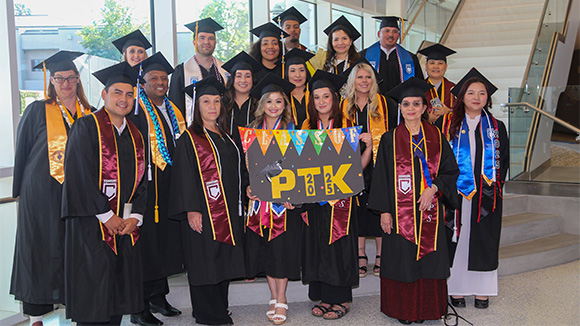
You’re the Vice President of Phi Theta Kappa (PTK) here at Coastline. Why did you choose to join PTK and become an officer?
I joined PTK because I wanted to plug into something bigger than just classes: leadership, service, and community. I was caring for my grandfather when I started at Coastline, and during my second semester, he passed away. That loss brought a lot of grief and anxiety, and it left me with this feeling of all the energy I’d been putting into caregiving suddenly having nowhere to go.
PTK gave me a healthy outlet and a way to reconnect with people at a pace that felt safe. The service work helped me redirect that energy into something constructive, and the chapter gave me a space to gradually re-enter the world instead of isolating. I became an officer because I didn’t want to just benefit from PTK; I wanted to help build the kind of community that can support students through hard seasons the way PTK supported me.
Learn more about Phi Theta Kappa @ Coastline
How has serving your community shaped your experience as a student?
Serving my community—through PTK and especially through Coastline’s Basic Needs and the Dolphin Pantry—has been one of the most meaningful parts of my time as a student. PTK gave me a doorway into service and leadership, but the pantry is where I’ve felt the day-to-day impact the most. When you’re helping students access food and resources, you understand quickly that “being a student” includes a lot more than assignments and exams. People are dealing with real pressure, and basic needs support can be the thing that keeps them from falling behind or giving up.
For me, that’s changed how I see my role at Coastline. It’s not just about earning a degree, it’s about being part of a community where we look out for each other. It also gave me a stronger sense of confidence and belonging. Even though I’m an online student, working with Basic Needs makes me feel deeply connected to the campus and to the students we’re serving.

What are your plans after Coastline (transfer, career goals, long-term vision)?
My next step after Coastline is transferring to CSU Fullerton, specifically because their entrepreneurship program aligns with what I want long-term. I’m looking forward to taking what I’ve learned here and leveling up; more strategy, more depth, and more focus on building ventures that can grow.
The long-term vision is to blend business with my naval engineering background and move into the energy space. I’ve always been drawn to big, real-world systems; how power is generated, managed, and delivered, and I want to build a company that contributes to that future. I’m motivated by the idea of creating something that’s both innovative and grounded, where leadership, operations, and engineering come together.
What do you want students like you to know—that you wish someone had told you earlier?
If you’re coming back to school and you feel behind, intimidated, or like you missed your chance, I want you to know that you’re not alone, and you’re not late. The first time I tried college, I wasn’t ready, and I took that as a personal verdict. It wasn’t. It was just a stage of life where I didn’t have the structure I needed.
What I wish I knew earlier is that progress isn’t about being “naturally good at school.” It’s about being consistent and asking for help sooner than you think you should. Use the resources, lean on your community, and let yourself be a beginner again. That’s how you rewrite the story.
Apply @ Coastline
Are you a Coastline College alum who would like to share successes you've acheived after graduating? Complete our Student Success Highlight Submission Form to share your story with us!